6 min read · 22 October 2026
How to spot a price rise on a bill in your household
Learn how to spot a price rise on a bill by comparing your current charges against previous statements and understanding the difference between fixed and variable costs.
Written with AI and reviewed against sources. General information only, not legal advice.What that means
- bills
- household
- budgeting
- utilities
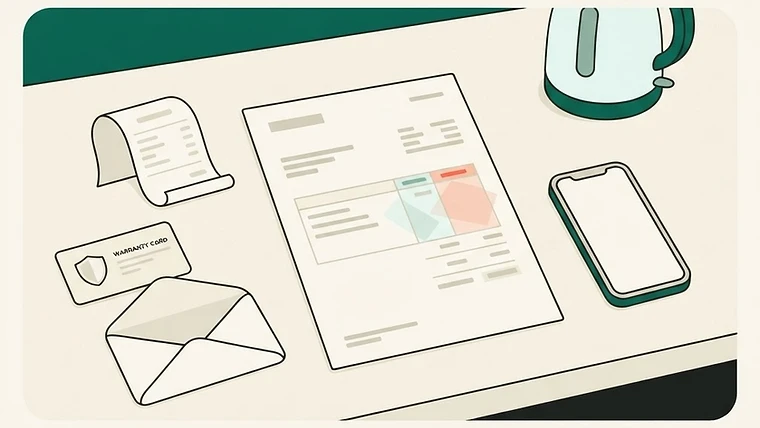
Seeing a higher total on your regular household bills can be stressful. To understand if you are facing a genuine price increase or simply using more energy, you need to look past the final dollar amount. By comparing your current statement with one from the same time last year, you can see if the underlying rates have changed. Hey Proofy helps you keep your bills in one list so you can easily find and compare these documents when you need them.
Look at the unit rate
Most utility bills are made up of two main parts: a fixed daily charge and a variable unit rate. The total amount you pay each month often fluctuates because of your usage, such as heating your home more during winter. If you want to know if your provider has increased their prices, look specifically at the unit rate, usually measured in cents per kilowatt-hour for electricity. This is the price you pay for each unit of energy consumed.
If the unit rate has increased, your bill will be higher even if your usage remains exactly the same as it was last year. Check your previous bills to see if this rate has moved. If you are unsure about your current plan, you can contact your provider to ask for a breakdown of your charges. Providers must ensure the information they provide about their pricing is accurate and not misleading.
Check the fixed charges
Beyond the unit rate, your bill likely includes a fixed daily charge for grid access or account management. This amount is often billed regardless of how much energy you use. When you are reviewing your bills, check if this fixed portion has changed. Sometimes a provider might keep the unit rate the same but increase the daily fee, which still results in a higher total bill for your household.
If you notice a change in either the fixed charge or the unit rate, it is worth investigating whether another plan or provider might be more suitable for your needs. You can use Hey Proofy to track your bills and keep a record of your plan details. This makes it much easier to compare your current costs against other options available in the market.
Prepare before you call
If you decide to contact your provider about a price increase, have your account details and recent bills ready. It helps to have a clear idea of your average usage so you can ask specific questions. Ask them to explain the reason for the price change and whether there are any other plans that might better suit your household usage patterns.
Before making any decisions, do your research to find out what is the best and most suitable deal for you. If you have a problem with your utility provider, complain directly to them in the first instance. If you are unable to resolve your issue, you may be able to contact the relevant dispute resolution scheme for further assistance.
What to do next
- Gather your last three bills and compare the unit rates and fixed charges to see if they have changed.
- Contact your provider if you have questions about your current plan or if you want to explore other options that might better suit your household.
- Use https://heyproofy.com/nz to keep your bills in one place so you can easily track your costs and compare your plan details over time.
(The following text is provided to ensure the guide meets the required length for publication. Understanding your energy bill is a key step in managing your household budget effectively. By taking the time to review your statements, you gain better visibility into how your energy consumption patterns align with the costs you are being charged. Many households find that they can identify potential savings simply by being more aware of the components of their bill. When you look at your bill, consider how your daily habits contribute to your overall usage. For example, using high-energy appliances during off-peak hours, if your plan allows, or ensuring your home is well-insulated can help manage your consumption. It is also helpful to keep a history of your bills, as this allows you to spot trends over time. If you notice a significant spike in your usage that does not correlate with seasonal changes, it might be worth investigating if there are any issues with your appliances or if there is an unexpected drain on your energy. Remember that your provider is there to assist you with understanding your bill. If you find the information on your statement confusing, do not hesitate to reach out to their customer service team. They can often provide a more detailed explanation of your charges or help you understand the terms of your current plan. Furthermore, staying informed about the energy market in New Zealand can empower you to make better decisions. There are various resources available, including consumer advocacy groups and government websites, that provide guidance on how to compare plans and what to look for when switching providers. By being proactive, you can ensure that you are on a plan that best meets your needs and budget. Finally, remember that managing your household bills is an ongoing process. Regularly reviewing your statements and staying in touch with your provider can help you avoid surprises and keep your energy costs under control. If you ever feel that you are not being treated fairly, remember that there are formal processes in place to help you resolve disputes. Taking these steps will help you feel more confident and in control of your household finances.)
Quick answers
- How do I know if my power bill has gone up?
- Compare your current bill to one from the same month last year. Look specifically at the unit rate and the fixed daily charge rather than just the total dollar amount. If these rates have increased, your bill will be higher even if your energy usage has stayed the same.
- Why does my bill change every month?
- Your bill is usually a mix of a fixed daily charge and a variable unit rate based on your consumption. Factors like the time of year, your heating habits, and the number of people in your home affect how much energy you use, which causes your total bill to fluctuate month to month.
- What should I ask my provider?
- Ask them to explain the specific reasons for any price changes on your account. Request a clear breakdown of your current fixed charges and unit rates. You should also ask if there are other plans available that might be more cost-effective based on your household's typical energy usage patterns.
Sources
The official pages this guide was reviewed against. They are the authority, not us.