3 min read · 7 October 2026
How to track warranties and receipts for your household
Learn how to manage your household receipts and warranty dates effectively to ensure you can exercise your consumer rights when you need to.
- warranties
- receipts
- consumer-rights
- household-admin
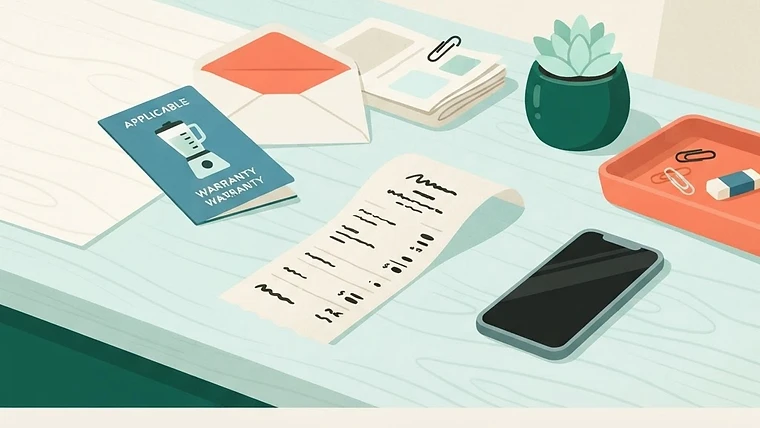
Managing household paperwork often feels like a chore, especially when you are trying to keep track of receipts for appliances or electronics. Many people lose track of when a manufacturer's warranty ends because the paper receipt fades or gets lost in a drawer. Knowing these dates is useful, but it is also important to understand that your rights under New Zealand law often extend beyond the period offered by a manufacturer. You can use Hey Proofy to photograph or upload your receipts, which helps you keep your bills and subscriptions in one list and search your own records easily.
Understanding your rights
In New Zealand, the Consumer Guarantees Act 1993 provides protections for goods you buy for personal or household use. These guarantees mean that products must be of acceptable quality, fit for purpose, and last for a reasonable time given their price and type. This protection applies regardless of any separate manufacturer's warranty you might have received. If a product fails, the retailer is generally the person you should contact to put things right. A manufacturer's warranty is a separate, voluntary promise that sits alongside these legal rights rather than replacing them.
Keeping track of dates
To work out when a manufacturer's warranty ends, check the documentation provided at the time of purchase. If you have lost the physical paper, you can often find the purchase date on your digital receipt or bank statement. Because the length of time a product should reasonably last depends on the item and what you paid for it, there is no fixed legal minimum duration for all goods. Keeping a clear record of your purchase date is the best way to stay informed. Hey Proofy can help by reading the shop, date, total, and items from your receipt and tracking warranty dates with a reminder before they end.
Why proof of purchase matters
When you need to seek a remedy for a faulty product, you will need to show proof of purchase. This does not always have to be the original paper receipt, but it must be enough to prove when and where you bought the item. Storing digital copies of your receipts ensures they do not fade or go missing. You can forward receipt emails or upload photos to keep everything organised for your household. This makes it much simpler to share information with others in your home if a repair or replacement is needed.
What to do next
-
Gather your recent receipts and upload them to a central place like Hey Proofy so you can find them when needed.
-
Read more about your legal protections at your rights to understand what you can expect from the products you buy.
Quick answers
- Does a manufacturer's warranty replace my rights under the Consumer Guarantees Act?
- No. Your rights under the Consumer Guarantees Act 1993 apply whether you have an extra manufacturer's warranty or not. These legal rights provide protection for a reasonable time based on the price and type of the product, which can sometimes last longer than the specific period offered by a manufacturer's warranty.
- Who do I contact if a product is faulty?
- Generally, you should contact the retailer that sold you the goods. Under the Consumer Guarantees Act, the retailer is responsible for providing a remedy, such as a repair, replacement, or refund, if the product does not meet the required standards of quality or fitness for purpose.
- How long must a product last?
- There is no set number of months or years that a product must last. The law requires that goods be of acceptable quality and last for a reasonable time, which depends on the nature of the item, how it is used, and what you paid for it.
Sources
The official pages this guide was checked against.